

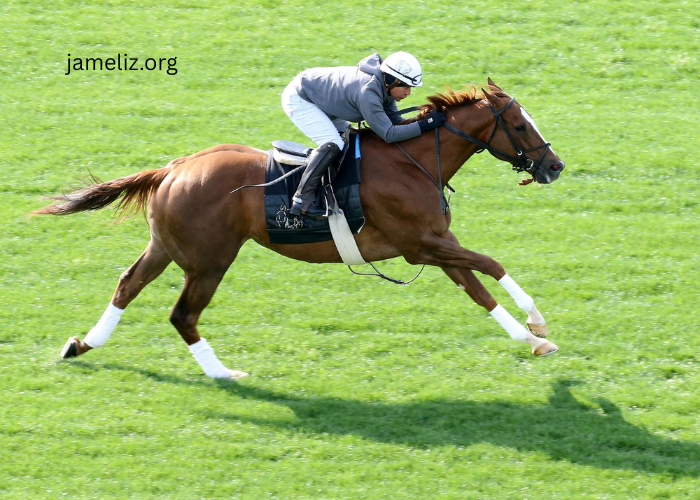
When you think of horse racing, you probably picture the dusty tracks of the Kentucky Derby or maybe those fancy hats at Royal Ascot. But have you ever wondered where it all actually started? It wasn’t just a bunch of people deciding to run horses in a circle one day. Thoroughbred turf racing has a history that’s honestly as dramatic as a movie. It involves kings, desert explorers, and a very specific type of grass that changed the sport forever.
I’ve always found it fascinating how a sport can stay so popular for hundreds of years. It’s more than just gambling or speed. It’s about the connection between humans and these incredibly powerful animals. If you’ve ever stood near the rail when a pack of horses thunders past on a grass track, you know that feeling in your chest. That’s the magic people have been chasing since the seventeenth century.
The Three Founding Fathers
You can’t talk about Thoroughbreds without talking about three very special horses. Back in the late 1600s and early 1700s, English breeders wanted more speed. They decided to cross their sturdy home grown mares with lightning fast stallions from the Middle East. These three guys were the Byerley Turk, the Darley Arabian, and the Godolphin Arabian.
Every single Thoroughbred racing today can trace its family tree back to one of these three stallions. It’s wild to think about that, right? Imagine if every professional basketball player was related to the same three guys. These horses brought a level of stamina and elegance that the world hadn’t seen before. They were built for the “turf,” which is just a fancy word for grass. Unlike the dirt tracks we see a lot of in America, the original racing was done on open fields and rolling hills in England.
Royal Support and the Rise of Newmarket
The sport didn’t just grow on its own. It had friends in very high places. King Charles II was absolutely obsessed with racing. He’s often called the father of the English turf because he spent so much time and money at Newmarket. He actually used to ride in the races himself, which is something you definitely wouldn’t see a modern world leader doing today.
Newmarket became the headquarters of the sport. It wasn’t a stadium like we have now. It was more like a massive playground for the wealthy. Because the King loved it, everyone who wanted to be close to the King also had to love it. This royal stamp of approval turned horse racing from a messy hobby into a structured sport with actual rules and records. This era gave us the “Sport of Kings” nickname that we still use all the time.
The Evolution of the Grass Track
In the early days, turf racing in heros turf vip was a bit of a free for all. There weren’t many rails or precise distances. They just picked a landmark and said, “First one there wins.” Over time, people realized that the surface mattered just as much as the horse. Turf is actually a very forgiving surface. It’s softer on a horse’s legs than dirt or synthetic tracks.
In England and Europe, grass remained the gold standard. The weather there is perfect for keeping the ground lush and green. Because the grass can get slippery or soft when it rains, it added a whole new layer of strategy. You’ll often hear commentators talk about “the going,” which is just their way of describing how wet or dry the grass is. A horse that wins on dry grass might completely fail if the track turns into a muddy mess. It’s like trying to run a sprint in sneakers versus running in rain boots.
Coming to the New World
When Thoroughbred racing made its way over to North America, things changed a bit. In the United States, dirt tracks became much more common because they were easier to maintain in different climates. However, turf racing never really went away. It just became a specialized niche. For a long time, American fans thought of turf racing as something “European” or “fancy.”
In recent decades, grass racing has made a massive comeback in the states. Tracks like Santa Anita or Belmont have famous turf courses that attract the best international talent. There’s a certain prestige to it. Many people believe that turf racing is more “pure” because it mimics the natural environment where horses evolved to run. Plus, it’s often much cleaner for the jockeys since they aren’t getting pelted with flying dirt for two minutes straight.
The Modern Era and Global Appeal
Today, Thoroughbred turf racing is a global powerhouse. You have the Prix de l’Arc de Triomphe in France, the Melbourne Cup in Australia, and the Breeders’ Cup in the US. Each country has its own flavor, but the core remains the same. It’s about finding that one horse that has the perfect mix of heart, lungs, and hooves to conquer the green.
The technology has changed, with high tech shoes and specialized diets, but the spirit of the 1700s is still there. When you watch a race today, you’re looking at centuries of careful breeding and tradition. It’s one of the few things in our fast paced digital world that hasn’t changed all that much. A fast horse on a green field is still one of the most beautiful sights in sports.
A Legacy That Keeps Running
Looking back, it’s clear that turf racing is more than just a pastime. It’s a living history book. From those first three Arabian stallions to the massive grandstands of today, the journey has been incredible. Whether you’re a hardcore bettor or someone who just likes the animals, there’s no denying the impact this sport has had on our culture.
Next time you see a race on TV, take a second to think about the centuries of work that went into that two minute sprint. It’s a story of kings and commoners alike, all brought together by a love for the chase. It’s a sport that celebrates speed, but more importantly, it celebrates the timeless bond between us and the horses we’ve spent hundreds of years perfecting.