

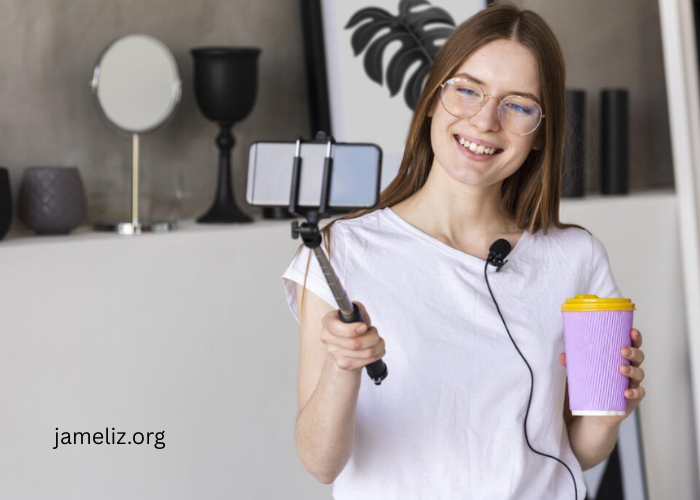
So you want to be an influencer. It sounds like a dream job, right? You get to share your life, talk about things you love, and maybe even get paid to do it. But then you look at Instagram or TikTok and realize there are literally millions of people trying to do the exact same thing. It can feel a bit like trying to be heard while standing in the middle of a crowded stadium during a touchdown. The biggest mistake most new creators make is trying to talk to everyone at once. When you try to please everyone, you usually end up interesting no one.
Finding your niche is basically just finding your “thing.” It’s that specific corner of the internet where you feel at home and where people actually want to listen to what you have to say. It’s not about being the best in the world at something, but about being the most “you” at it. Let’s dive into how you can actually figure this out without losing your mind.
Stop Looking at What Others Are Doing
The first thing almost everyone does when they start out is look at the big influencers and try to copy their vibe. If travel vlogging is popular, they buy a camera and go to the beach. If makeup tutorials are trending, they buy a ring light. But here’s the thing: those people are already successful because they were the first or the best at their specific style.
You need to look inward instead. What are the things you talk about even when nobody is paying you? Maybe you’re obsessed with vintage lamps or you have a weirdly deep knowledge of 90s sitcoms. Those little quirks are actually your biggest strengths. Authenticity is a word that gets thrown around a lot lately, but it really just means not being a carbon copy of someone else. People can smell a fake from a mile away, and they’ll stick around much longer if they feel like they’re getting the real version of you.
The Intersection of Passion and Skill
Think of your niche as a Venn diagram. On one side, you have things you absolutely love doing. On the other side, you have things you’re actually decent at. Where those two circles overlap is your sweet spot. If you love cooking but you’re honestly terrible at it, maybe your niche is “the guy who fails at Pinterest recipes.” That’s actually a lot more relatable than another perfect chef.
You don’t need to be a world class expert. You just need to be one step ahead of the people you’re talking to. Or, you can just be a fellow learner. People love going on a journey with someone. If you’re learning how to knit, document the messy process. That’s a niche in itself. It’s about finding a topic that you won’t get bored of after three weeks, because consistency is the only way you’ll actually grow.
Solving a Problem or Providing an Escape
Every successful influencer like valentina midget provides some kind of value. This doesn’t mean you have to be a teacher. Value can be entertainment, it can be comfort, or it can be actual advice. Ask yourself why someone would click on your video or post. Are they looking to learn how to budget their money? Or are they just stressed out and want to watch someone organize a pantry because it’s satisfying?
If you can identify the “problem” you’re solving for your audience, you’ve found your niche. My friend started a page just about taking care of very specific types of houseplants. Her “value” was helping people not kill their expensive greenery. It was narrow, specific, and it worked because she was the go to person for that one thing. You want to be the person people think of when a specific topic comes up in conversation.
Testing and Pivoting is Part of the Process
Don’t feel like you have to marry your niche on day one. A lot of people get paralyzed because they’re afraid they’ll pick the wrong thing and be stuck with it forever. The truth is, most big creators started doing something completely different than what they do now. You might start out as a fitness influencer and realize you actually enjoy talking about the mental health side of sports way more.
Give yourself permission to experiment for a month or two. Post different types of content and see what sticks. Pay attention to the comments. Are people asking questions about your outfits even though you’re talking about books? Maybe your niche is actually “attainable fashion for bookworms.” Listen to what the data and the people are telling you. It’s okay to change direction if you find a path that feels more natural.
Narrowing Down Your Target Audience
Once you have a general idea, try to make it even smaller. Instead of just “food,” try “vegan meals for busy college students.” Instead of “gaming,” try “cozy indie games for people with anxiety.” The more specific you are, the easier it is to build a community.
When you speak to a very specific group of people, they feel like you’re talking directly to them. That creates a much stronger bond than a general lifestyle creator who just posts pretty pictures. You want followers who feel like they know you. It’s better to have five thousand followers who are obsessed with your niche than fifty thousand who don’t really care what you post next.
Keeping the Flame Alive
At the end of the day, your niche has to be sustainable. If you pick something just because it’s profitable but you actually hate it, you’ll burn out in six months. The creator economy is a marathon, not a sprint. You’re going to be spending a lot of time researching, filming, and editing this stuff.
Pick a niche that makes you excited to wake up and create. Your energy is infectious. If you’re genuinely having fun, your audience will have fun too. Finding your niche isn’t a one time event, it’s an evolution. Just start creating, stay curious, and eventually, your space on the internet will find you. It takes time but the reward of having a community that gets you is totally worth the effort.