

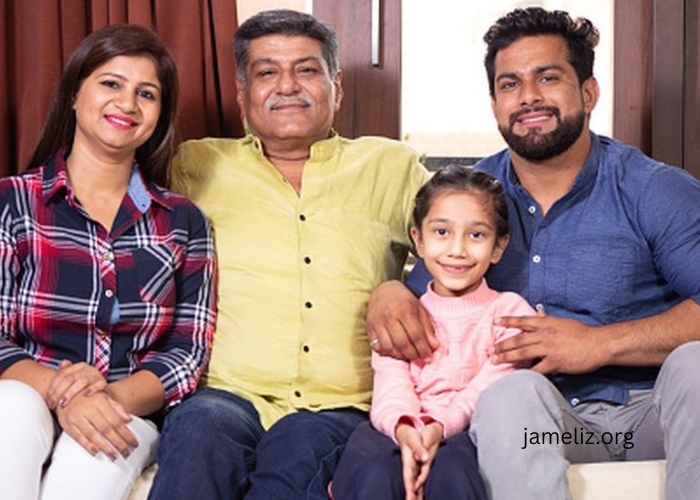
If you have ever flicked through the channels on an Indian television during prime time, you know exactly what to expect. There is usually a massive house, a sprawling living room, and about fifteen people sitting around a dining table. Even in 2026, where many of us are living in small apartments in cities like Mumbai or Bangalore, our TV screens are still dominated by the grand joint family. You might wonder why these shows stay so popular when our real lives are moving toward nuclear setups. It’s a fascinating look into our culture because even if we live alone, our hearts still seem to beat for that big, messy, loud family drama.
The Relatable Chaos of Many Generations
One of the biggest reasons these shows work is the sheer variety of characters they can throw at you. In a joint family setup on screen, you have the strict grandmother, the misunderstood daughter in law, the funny uncle, and the rebellious teenager. There is literally someone for everyone in the audience to identify with. When you watch a show like Anupamaa or any of the classic Balaji soaps, you aren’t just watching one person’s life. You are watching a microcosm of society.
In real life, we all have that one relative who talks too much or an aunt who knows everyone’s business. Indian TV takes these real life personalities and dials them up to eleven. It feels personal because even if we don’t live with our extended family anymore, we still deal with them at weddings and festivals. Seeing those dynamics play out on screen feels like a warm, albeit sometimes dramatic, hug from home.
High Stakes and Constant Conflict
Let’s be honest, a show about a couple living alone in a flat would get boring pretty fast for a daily soap. You can only have so many arguments about who forgot to buy milk. But in a joint family, the potential for conflict is endless. You have power struggles between the mother in law and the daughter in law, secrets being whispered in hallways, and alliances being formed in the kitchen.
This environment is a goldmine for scriptwriters. It allows for high stakes drama without ever having to leave the house. Every small decision, like what to cook for a festival or who gets the keys to the family locker, becomes a massive plot point. We love it because it mimics the complexity of human relationships. We might roll our eyes at the dramatic background music, but we secretly want to know if the protagonist will finally stand up to her manipulative aunt.
The Comfort of Cultural Roots
There is a deep sense of nostalgia attached to the joint family system in India. For many viewers, especially the older generation, these shows represent a way of life that is slowly fading away. It’s a bit of a comfort blanket. Even if the world outside is changing rapidly with technology and new social norms, the world inside the TV remains rooted in tradition.
The shows in www.kaduva.com serial malayalam today episode celebrate festivals with a grandeur that most of us can’t manage in our busy lives. They show three generations praying together or sharing a meal, which reinforces the idea that family is the ultimate safety net. It’s a powerful emotional hook. Even younger viewers who value their independence often feel a pang of longing for that sense of belonging and protection that a large family offers on screen.
The Kitchen as the Heart of the Home
If you pay attention, most of the important conversations in Indian soaps happen in the kitchen. It’s where the tea is made, the spices are ground, and the biggest secrets are revealed. This is a very real reflection of Indian households. The kitchen isn’t just a place to cook; it’s the nerve center of the family.
By keeping the joint family at the core, showrunners can tap into the daily rituals that define Indian life. The act of making round rotis or preparing a special dessert for a homecoming is something every viewer understands. It makes the characters feel like real people we might know. When the lead actress is shown managing the kitchen while also handling a family crisis, it resonates with millions of women who do the exact same thing every single day, just with a little less jewelry.
Aspirations and Living Vicariously
There is also an element of pure escapism involved. The joint families on TV are almost always incredibly wealthy. They live in mansions with marble floors and have a seemingly endless supply of designer sarees. For a lot of people, watching these shows is a way to dream. It’s fun to imagine living in a house where you are surrounded by people who love you, even if they drive you crazy sometimes, all while looking like a million bucks.
We like to see the grand celebrations and the way the house is decorated for Every single small occasion. It’s a visual treat that breaks the monotony of a regular workday. The joint family setup provides the perfect backdrop for this kind of luxury. It’s hard to justify a palace for just two people, but for a family of twenty, it makes perfect sense in the world of TV logic.
Why We Won’t Stop Watching
At the end of the day, Indian TV reflects our obsession with the idea of “togetherness.” We are a culture that thrives on connection. Even as we move into smaller homes and lead more private lives, the dream of the big, happy family remains a core part of our identity. These shows act as a bridge between our traditional past and our modern present.
They might be over the top and the plot twists might be ridiculous sometimes, but the heart of the show is always the same. It’s about people trying to stick together despite their differences. As long as we value family, the joint family system will continue to be the king of Indian television. It’s a formula that has worked for decades and honestly, I don’t see it changing anytime soon. We just love the drama too much to let it go.