

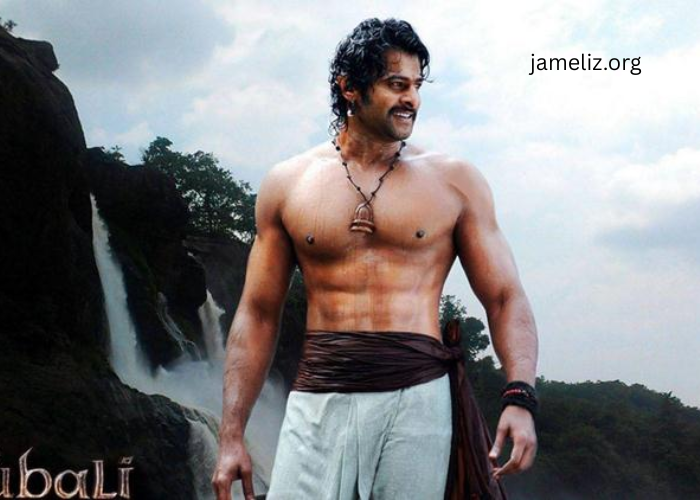
I still remember the first time I sat in a darkened theater and watched that massive waterfall scene in Baahubali. You know the one I mean. It wasn’t just the scale of it that took my breath away, but the sheer ambition. For a long time, we used to look at Hollywood and think they had a monopoly on high end visual effects. But when S.S. Rajamouli brought his vision to life, it felt like something shifted in the global landscape of cinema. It proved that you don’t always need a billion dollars to create magic, sometimes you just need a lot of heart and some really clever tech.
The Baahubali Effect on Indian Cinema
Before Baahubali came along, CGI in many regional film industries was often a bit of an afterthought. It was usually just something used to fix a background or add a simple explosion. But this movie changed the game entirely. It showed filmmakers that they could dream much bigger. The way they built the kingdom of Mahishmati was incredible. Sure, if you look really closely at some frames today, you might see a few rough edges, but the emotional weight of the story made those pixels feel real.What’s really interesting is how it encouraged local VFX studios to level up. They weren’t just following a template anymore. They were innovating. The success of the franchise gave producers the confidence to actually put money into the “visuals” department from day one of preproduction. It wasn’t just about a hero and a villain anymore; the world itself became a character.
Why Some CGI Works and Some Doesn’t
We’ve all seen those movies where the CGI just looks… off. It’s that weird feeling where a character looks like they’re floating on the ground instead of standing on it. Usually, this happens because of lighting. If the light on the actor doesn’t match the digital sun in the background, your brain screams that it’s a lie.In Baahubali, even with its heightened, almost comic book style, the team worked hard to keep things grounded in a certain kind of logic. When you have a man carrying a giant stone statue, the physics need to feel heavy. If the weight doesn’t feel real, the audience disconnects. Humans are surprisingly good at spotting fake movement. That’s why the best CGI is actually the stuff you don’t notice at all. It’s the subtle things like dust in the air or the way fabric moves in the wind that really sell the illusion.
The Rise of Virtual Production
Moving forward from those epic battles, we are seeing a massive shift in how movies are filmed. Have you heard of the Volume? It’s basically a giant wrap around LED screen that replaces the old school green screen. This is a total life saver for actors. Instead of staring at a tennis ball on a stick and trying to imagine a dragon, they can actually see the environment they’re supposed to be in.This technology, which really went mainstream with shows like The Mandalorian, is now finding its way into all sorts of productions. It fixes that lighting problem I mentioned earlier because the screens actually cast real light onto the actors. It’s a huge jump from the Baahubali in 7movierulz 2025 telugu days where everything was added in months later. Now, directors can see a version of the final shot while they are still on set. It makes the whole process much more organic and less like a math equation.
Artificial Intelligence and the Next Frontier
It’s impossible to talk about the future without mentioning AI. While it makes some people nervous, in the world of CGI, it’s actually a pretty exciting tool. Think about the hours artists spend frame by frame trying to remove a safety wire or cleaning up a background. AI can do that grunt work in seconds now.But it goes deeper than that. We are getting to a point where digital doubles look exactly like real people. We’ve seen it with de aging actors or even bringing back those who have passed away. It’s a bit of a moral gray area for sure, but from a purely technical standpoint, it is mind blowing. The goal isn’t to replace the human element but to give creators more tools to tell stories that were once considered impossible to film.
The Human Element in a Digital World
At the end of the day, all the fancy computers and algorithms don’t matter if the story is boring. You can have the most expensive CGI in the world, but if we don’t care about the people on screen, it’s just a very expensive screen saver. That is what Baahubali got right. It used technology to enhance a story about family, betrayal, and honor.The future of CGI isn’t just about more pixels or faster rendering. It’s about making the technology so seamless that it disappears. We are heading toward a time where the line between what is real and what is digital will be completely gone. It’s a little scary but also incredibly cool.
Looking Ahead
As we look toward the next decade of filmmaking, it’s clear that we are in a golden age of visual storytelling. From the massive sets of Mahishmati to the hyper realistic digital worlds of tomorrow, the journey has been wild. I think we’ll see more independent creators getting their hands on these tools too, which means we’ll get stories from perspectives we’ve never seen before. CGI has moved from being a flashy gimmick to an essential part of the cinematic language. It’s a bridge between our imagination and the screen. Whether it’s a giant war elephant or a subtle change in the weather, these digital touches help us believe in the impossible. And honestly, isn’t that why we go to the movies in the first place? It’s going to be a fun ride seeing where it goes next.