

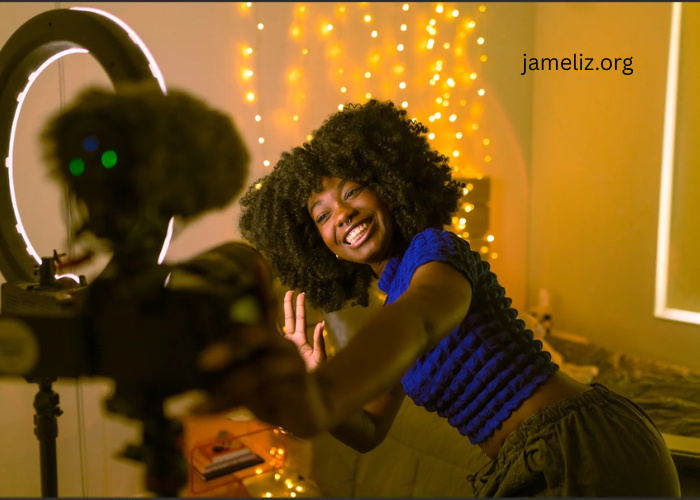
We have all seen it happen. One day, your favorite YouTuber or Instagrammer is posting their usual daily vlogs, and the next, they are announcing a brand new makeup line, a clothing range, or a trendy energy drink. Sometimes these launches feel like a natural next step, while other times they kind of just fizzle out after the initial hype dies down. But have you ever wondered what actually separates the massive successes from the one hit wonders?
After watching this space for over a decade, it is pretty clear that launching a brand as an influencer isn’t just about having millions of followers. It’s about how you treat those people before you ever ask them to open their wallets. The big players don’t just sell products. They sell a piece of the lifestyle they’ve been building for years. It is a fascinating process, and honestly, there is a lot we can learn from how they pull it off.
It Starts Long Before the Reveal
The biggest mistake a lot of people make is thinking that a brand launch starts on the day of the announcement. In reality, the most successful influencers start “seeding” the idea months or even years in advance. They’ll wear a specific style of clothing or use a certain type of water bottle in the background of their videos without saying a word about it.
They are essentially testing the waters. They want to see if their audience asks about the product or if they naturally gravitate towards that aesthetic. This kind of subtle marketing builds a subconscious connection. By the time the influencer finally says, “Hey, I made this for you,” the audience already feels like they’ve been part of the journey. It doesn’t feel like a cold sales pitch. It feels like a reveal of a secret they’ve all been in on.
Solving a Real Problem for the Community
The brands that truly stick around are the ones that actually fix something. It sounds simple, but you’d be surprised how many people launch a generic white labeled product just because they can. The top tier influencers listen to the complaints in their comment sections. Maybe their followers are tired of leggings that slide down during a workout or skincare that is too expensive for what it actually does.
When an influencer can say, “I searched everywhere for a product that did X, Y, and Z, and I couldn’t find it, so I built it,” they’ve already won. That narrative is incredibly powerful. It turns the influencer into a problem solver rather than just a salesperson. People are much more likely to support a brand if they feel like the creator actually cares about the quality and the utility of what they are putting out into the world.
Authenticity is the Secret Sauce
We hear the word authenticity thrown around a lot, but in the world of influencer brands, it really is the make or break factor. If a gamer launches a line of luxury handbags, it’s going to feel weird. But if they launch a high quality ergonomic chair or a custom keyboard, it makes perfect sense. The brand has to be an extension of who they already are.
If the followers feel like the influencer like aishah sofey is just doing a “cash grab,” they will tune out immediately. The audience is smarter than people give them credit for. They can tell when a creator is genuinely passionate about a project. I’ve noticed that the most successful launches usually involve the influencer showing the “ugly” side of business too. They’ll share stories about failed prototypes or shipping delays. Being vulnerable about the process makes the final product feel much more “human” and worth the wait.
Creating an Exclusive Community Feel
One thing top influencers do better than almost anyone else is making their followers feel like they are part of an exclusive club. They use early access codes, limited edition drops, and “close friends” lists on social media to build up a sense of urgency. It’s not just about buying a product. It is about being one of the first people to own it.
This creates a massive amount of FOMO, which is fear of missing out, for everyone else. When you see your peers posting about a new launch, you naturally want to be part of that conversation. Influencers leverage this social proof to drive sales in a way that traditional television ads just can’t touch. They aren’t just selling to customers. They are inviting their friends to join a movement.
The Power of the Soft Launch
You’ll notice that many big names don’t just dump everything at once. They often do a “soft launch” where they release a small batch or a single item to a dedicated subset of their audience. This allows them to work out any kinks in the website or the shipping process before the massive surge of traffic hits.
It also builds more hype. Seeing that a small run sold out in minutes makes the general public even more eager for the “real” launch. It’s a clever bit of psychology. By keeping supply slightly lower than demand at the very beginning, they ensure that the brand stays desirable. It is a delicate balance, but when it’s done right, it creates a snowball effect that can carry a brand for years.
Conclusion
At the end of the day, top influencers succeed because they understand that their real value isn’t in their follower count. It is in the trust they’ve built over time. Launching a brand is just a way to take that trust and turn it into something tangible. It takes a lot of work, a good bit of luck, and a deep understanding of what people actually want.
If you are ever thinking about starting your own project, take a leaf out of their book. Focus on the community, solve a real problem, and don’t be afraid to be yourself. The flash and the glamour of a big launch are great, but the heart of the brand is what keeps the lights on long after the announcement video has finished playing. Success in this world isn’t about the loud noise you make at the start. It is about the quiet consistency you show every day after.