

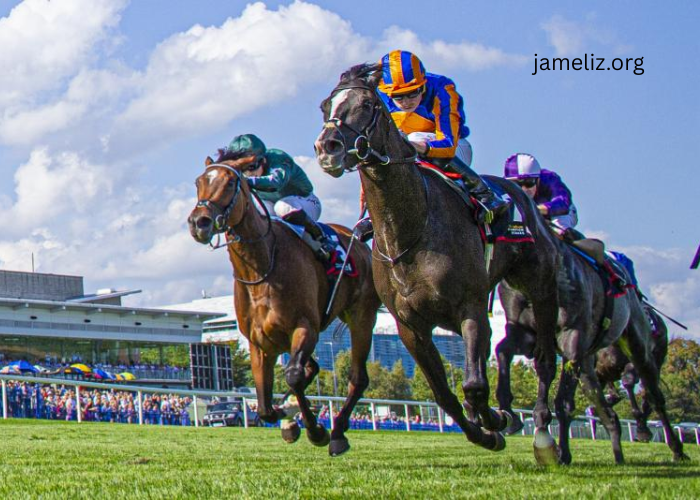
If you have ever stood by the rail at a high stakes show jumping event, you know that sound. It is the rhythmic thud of a thousand pound animal galloping toward a massive oxer. In that split second of takeoff, everything depends on the ground beneath the horse’s hooves. For decades, the debate in the horse world has been split between those who love the tradition of natural grass and those who swear by modern synthetic arenas. But lately, a third player has entered the chat and it is changing the game for professional riders everywhere.
Hybrid turf is becoming the new gold standard for elite venues. It is not quite a lawn and not quite a carpet, but rather a clever marriage of both. By weaving synthetic fibers into natural grass, engineers have created a surface that actually holds up under the literal tons of pressure a horse exerts. It is a shift that feels long overdue, especially as the demands on our equine athletes keep climbing.
What Exactly Is This Hybrid Stuff Anyway
To the naked eye, a hybrid arena looks exactly like a perfectly manicured golf course or a pristine soccer pitch. However, if you were to look beneath the surface, you would see a grid of millions of artificial fibers stitched into the root zone. Usually, it is about ninety percent natural grass and ten percent synthetic reinforcement.
The idea is pretty simple but brilliant. The natural grass gives the horse the organic feel and grip they are used to, while the synthetic fibers act like a hidden skeleton. These fibers anchor the roots and prevent the soil from shifting. Think of it like rebar in concrete. Without it, the grass would just tear away under a powerful gallop, leaving those messy divots we are used to seeing at the end of a long competition day.
Consistency Is a Major Win for Safety
One of the biggest nightmares for a professional rider is “variable footing.” You never want a horse to encounter a soft spot followed by a hard patch in the middle of a course. It’s a recipe for pulled tendons or, worse, a catastrophic slip. Traditional grass is notorious for this, especially if it has been raining or if fifty horses have already jumped on it.
Hybrid turf solves this by being incredibly uniform. Because the synthetic fibers keep the ground from compacting or churning up, the first horse in the ring gets the exact same footing as the last horse. There is a real peace of mind that comes with knowing the ground isn’t going to give way during a tight turn. It allows riders to focus on their lines rather than worrying if their horse will lose its footing on a slick patch of mud.
Weather Is No Longer the Enemy
We have all seen those events where a sudden downpour turns a beautiful grass field into a swampy mess. In the past, that usually meant canceling the class or moving everything to a cramped indoor arena. Hybrid systems are designed with high tech drainage that would make a civil engineer weep with joy.
The sand based root zones used in these systems allow water to move through the surface almost instantly. You can have a heavy rain at heros turf in the morning and be jumping Grand Prix rounds in the afternoon without a splash. For event organizers, this is a total lifesaver. It protects the massive investment that goes into hosting these shows and ensures the schedule stays on track, no matter what the clouds are doing.
Better for the Horses Long Term
There is a lot of talk lately about the longevity of sport horses. We want these incredible animals to stay sound and happy for as long as possible. Many vets agree that jumping on hard, unforgiving surfaces is one of the quickest ways to wear out a horse’s joints. Natural grass has always been praised for its shock absorption, but it’s hard to maintain.
Hybrid turf keeps that “spring” in the step that natural grass provides, but without the risk of the ground being too deep or too hard. It’s like a high performance running shoe for horses. The surface has just enough “give” to protect the joints but enough “grip” to allow for peak performance. Seeing a horse land softly on a hybrid surface after a five foot jump is honestly a beautiful thing to witness.
The Future of the Arena
It is unlikely that we will see natural grass disappear completely, and sand arenas will always have their place for daily training. But for the big stages, the move toward hybrid technology feels unstoppable. We are seeing it pop up at major stadiums and championship venues across Europe and North America.
Yes, it is more expensive to install than a basic grass field, but when you consider the reduced maintenance and the increased safety for the horses, the math starts to make sense. It’s one of those rare times where technology actually makes a sport feel more natural, not less. For anyone who cares about the welfare of the horse and the thrill of the sport, the rise of hybrid turf is something to get excited about. It’s just better ground, plain and simple.